The Second Pair of Hands: Consent, Custody and Communication in Proxy Home Testing
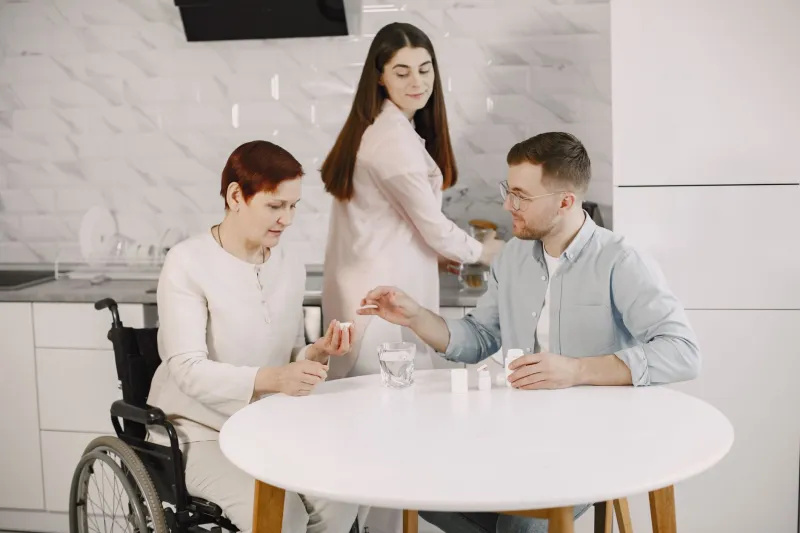
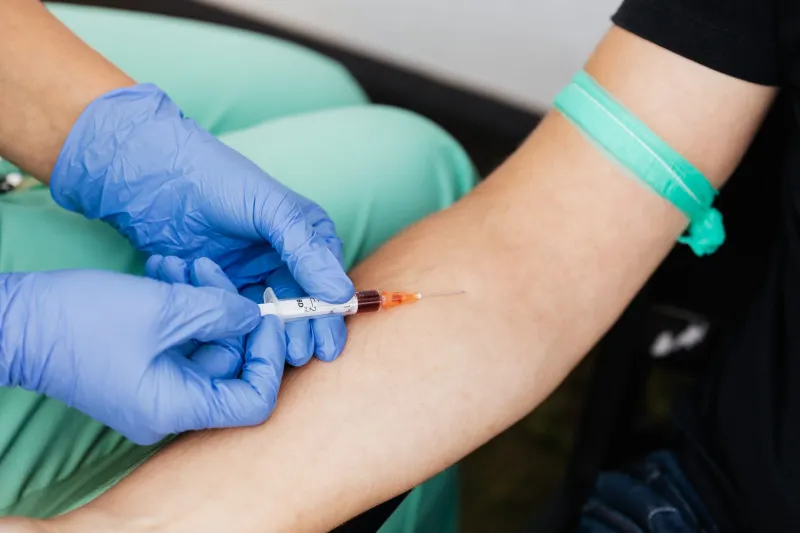
A home diagnostic kit arrives addressed to a patient, but the hands that open it may belong to a daughter, a paid carer or a district nurse. The swab, finger-prick or sample pot is then returned in the name of someone who may not have understood the instructions, held the device or seen the result. This is not a marginal scenario. It is routine in UK care for people living with dementia, frailty or a learning disability, and it exposes a gap between how home tests are designed and how they are actually completed.
A kit built around one person
Most consumer diagnostics assume a single, capable user. The instructions address one reader. The app asks one person to confirm their identity. The consent screen presents one checkbox. The result notification goes to one device. That model works when the user and the subject of the test are the same person. It becomes fragile when they are not.
Proxy administration is not simply a practical workaround. It changes the governance of the test. Someone else decides that a test should be done, performs it, interprets the instructions, packages the sample and may receive the result first. Each of those steps carries a consent, confidentiality and safeguarding question that a single-user kit does not prompt.
Consent is not a handover
Consent to test, consent to process personal data and consent to share a result are separate decisions. A carer may be willing to help with the physical task without being entitled to the clinical information that follows. A family member may hold a lasting power of attorney for health and welfare without automatically holding the right to every diagnostic result. A care worker may act under an employer’s policy without being the appropriate person to receive confidential health data.
In England and Wales, the Mental Capacity Act 2005 provides the framework for decisions made on behalf of adults who lack capacity for a specific decision. Scotland has the Adults with Incapacity (Scotland) Act 2000, and Northern Ireland has its own mental capacity legislation. The common principle is that capacity is decision-specific and time-specific. A person may be able to consent to a blood pressure check but not to the sharing of a sexual health result. A blanket signature from a relative is not a substitute for that assessment.
Where capacity is absent, decisions must be made in the person’s best interests, with consideration of their past and present wishes and the views of those close to them. Providers should record who made the decision, on what basis and with what authority. That record matters as much as the test result itself.
Who owns the sample and the story?
The physical sample and the data derived from it are not the same thing. The person tested remains the data subject under UK GDPR, even if a carer holds the kit or receives the notification. The carer may have custody of the device, but that does not make the result theirs to disclose, withhold or interpret.
A practical custody trail is therefore needed. Who collected the sample? Who packaged it? Who booked the return? Who received the result? Who communicated it to the patient? Who else was authorised to see it? These are ordinary logistics questions with clinical consequences. Without a record, a result can stall in a carer’s inbox or be relayed inaccurately to a GP practice.
Providers should distinguish between the administrator and the subject at the point of registration. They should capture the subject’s identity, the administrator’s relationship to them, the basis on which the administrator is acting and any named contacts for result sharing. This is not bureaucracy for its own sake. It is the minimum needed to make a home test auditable when the person taking it is not the person it concerns.
Safeguarding is part of diagnostic quality
Proxy testing can be an act of care, but it can also be a setting for coercion, over-testing or the concealment of symptoms. A carer who controls the kit may control the narrative around the result. A person with a learning disability may be tested repeatedly without understanding why. An older adult may be told that a test is routine when it is not.
Diagnostic providers should have a safeguarding route that is as visible as the customer service route. Staff who notice repeated failed collections, unusual patterns of proxy use or reluctance to let the patient speak should know whom to contact. In primary care, the arrival of a home result with a carer’s name attached should prompt a check that the patient knows about the test and the result.
Safeguarding is not an alternative to clinical quality. It is part of it. A test that produces a valid result but bypasses the person it is about has not succeeded in everyday care.
Communicating to the right person, in the right way
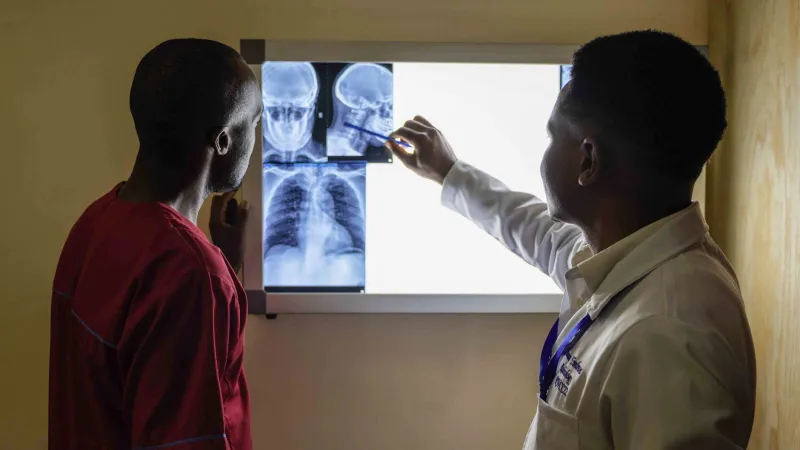
Result communication is where proxy testing most often goes wrong. A carer may be asked to pass on a result that requires a clinical conversation. A GP practice may receive a result without knowing that the patient has not been told. A patient with dementia may be shown an app screen that assumes they can remember and act on it.
Clinicians should confirm identity and authority before discussing a result. They should ask whether the patient wants a supporter present and whether the patient has been told the result already. Accessible formats, easy-read summaries and supporter involvement should be available where needed. The aim is not to exclude carers but to avoid making them the sole channel for information that belongs to the patient.
Where a result is normal but the patient cannot act on it, the safety net is not the result itself. It is the named person who knows what to do next. That person should be recorded with the patient’s consent or, where capacity is absent, through a best-interests decision.
What providers should build in
Home diagnostic providers can make proxy pathways explicit rather than incidental. Registration should separate subject and administrator. Consent screens should cover testing, data processing and result sharing. Capacity prompts should be decision-specific. Instructions should be available in accessible formats. Result notifications should not assume the device holder is the patient. Audit should include proxy use, failed collections and safeguarding referrals.
Commissioners should ask for these features in contracts, and primary care teams should reflect them in records. A proxy home test is still a clinical episode. It deserves the same documentation, follow-up and accountability as a test performed in a clinic.
The second pair of hands is often necessary. The task for UK diagnostics is to make sure those hands are recognised, authorised and connected to the person at the centre of the test.