When Home and Clinic Readings Diverge: A Practical Reconciliation Framework for UK Clinicians

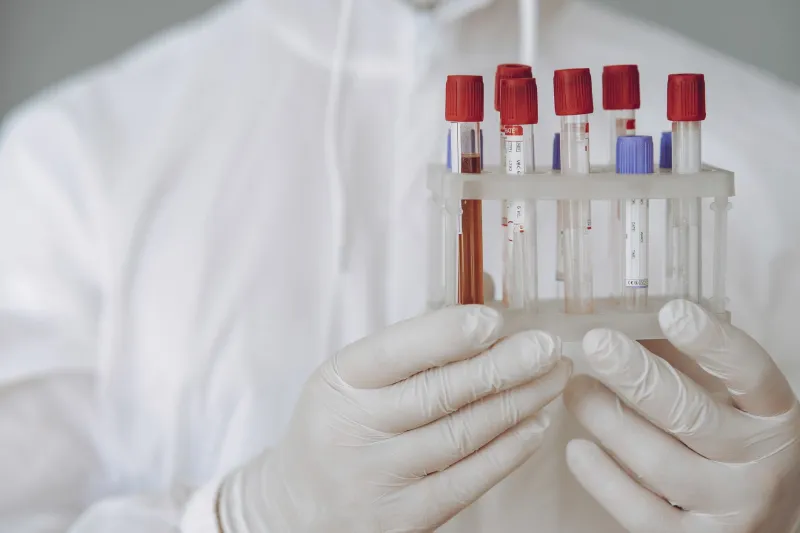
Photo: UK GP clinician comparing home blood pressure monitor readings with clinic measurement, via facts.net
A patient brings a notebook to a GP appointment. The home blood-pressure readings average 148/92 mmHg. In the surgery, after five minutes of rest, the reading is 132/80 mmHg. The patient asks which number is true. The honest answer is that both may be, but they are answering different questions under different conditions. In 2026, as remote monitoring becomes routine in UK care, reconciling home and clinic measurements is a core clinical testing skill rather than an administrative afterthought.
Two settings, two questions
Home monitoring captures usual life: work, sleep, medication timing, meals, stress and imperfect technique. Clinic measurement captures a standardised snapshot, but also a setting that can raise blood pressure in some people and lower it in others. White-coat hypertension and masked hypertension are well recognised in primary care. Similar logic applies to glucose meters, where a post-meal home reading and a fasting clinic sample are not competing truths, and to pulse oximeters, where a reading taken during an exacerbation at home may differ from one taken after rest in a warm consulting room.
The first step is therefore to stop treating the two numbers as rival verdicts. They are observations from different contexts, and the clinical task is to decide what each observation can support.
Validation, calibration and traceability in plain English
Validation means the device has evidence that it measures accurately for its intended use and population. For blood-pressure monitors, clinicians can check whether the model appears on a recognised validated list, such as those used by the British and Irish Hypertension Society. For glucose meters, the relevant standard is ISO 15197, alongside local formulary and diabetes team guidance. For pulse oximeters, MHRA guidance has highlighted accuracy concerns, including effects related to skin pigmentation and poor perfusion. A UKCA mark is a starting point, not a guarantee of suitability for every patient.
Calibration drift is the gradual loss of accuracy over time. Glucose meters are usually checked with control solutions and have strips with expiry dates and storage requirements. Pulse oximeters are generally not user-calibrated, so replacement and maintenance matter. Blood-pressure cuffs can wear, tubing can leak and devices can be dropped. A home device that has not been checked for years deserves more scepticism than one recently verified by its manufacturer or a community pharmacy.
Traceability means being able to say where a number came from. Record the device make and model, the cuff size, the strip batch where relevant, the time and context of measurement, and whether the patient used the same technique as the clinic. A number without provenance is hard to interpret, and impossible to defend in a shared record.
Technique is part of the result
Blood pressure should be taken seated with the back supported, feet flat, arm supported at heart level and the correct cuff size. The patient should rest for about five minutes, avoid talking during the reading and take at least two measurements. Home readings need the same standard, not a single reading taken while rushing out of the door.
Glucose technique includes washing and drying hands, checking strip expiry, using an adequate sample and understanding that haematocrit and some medicines can affect results. Pulse oximetry requires a warm hand, removal of nail polish where possible, steady positioning and time for the signal to settle. Skin pigmentation, cold fingers and poor circulation can all affect accuracy. These are not minor details; they are part of the measurement.
A clinician-facing reconciliation framework
1. Triage urgency first. Symptoms and red flags override numerical disagreement. Chest pain, severe breathlessness, neurological symptoms, hypoglycaemia or concerning hypoxia require immediate clinical action, not a device audit.
2. Define the discrepancy. Is it absolute, relative or both? A 10 mmHg difference in systolic blood pressure is not the same as a 4 kPa difference in oxygen saturation. For glucose, consider whether the reading is in a hypo or hyperglycaemia range and whether symptoms match.
3. Repeat under standardised conditions. Ask the patient to repeat the measurement with correct technique, or arrange a practice or community pharmacy check. Where available, cross-check with another validated device.
4. Verify the device and consumables. Check validation status, cuff size, strip batch and expiry, battery condition and whether the device has been dropped or submerged. Confirm that units and settings have not been changed.
5. Look for patient-specific explanations. Consider white-coat or masked hypertension, medication timing, recent food or caffeine, illness, activity, access barriers and technique. A home reading taken after climbing stairs is not equivalent to a rested clinic reading.
6. Assess pattern and consequence. A single outlier is weaker evidence than a persistent trend. Look at whether the discrepancy changes management, symptoms or risk, and whether the home data are complete enough to support a decision.
7. Classify and document. Most discrepancies fall into three groups: noise or transient variation, device or technique problem, or genuine clinical signal. Record the reasoning, the action taken and the safety-netting advice.
What each classification looks like
Noise is a reading taken after caffeine, a full bladder, talking mid-measurement or cold hands. Device or technique problems include an unvalidated monitor, the wrong cuff size, expired strips or an oximeter used with poor perfusion. A genuine clinical signal might be persistent home hypertension with masked hypertension, glucose readings that do not fit the HbA1c picture, or repeated hypoxia in a patient with known lung disease.
The distinction matters because dismissiveness and over-treatment are both risks. Telling a patient that home readings do not count can undermine useful self-monitoring. Acting on every discrepant number can lead to unnecessary medication changes and anxiety.
Communication and documentation
Explain why the numbers differ without implying that one is fraudulent. Agree a monitoring plan, demonstrate technique and provide a route for device checks. Record the device details and the context of the readings in the patient record. Where home data are shared through an app or remote monitoring platform, confirm that the clinician reviewing the data can see the device and measurement conditions, not just the trend line.
The aim is not to crown one device as truth. It is to make the disagreement interpretable, so that the next clinical decision rests on evidence rather than on the loudest number in the room.